
Impact of Globalization on Modern Management Practices Worldwide
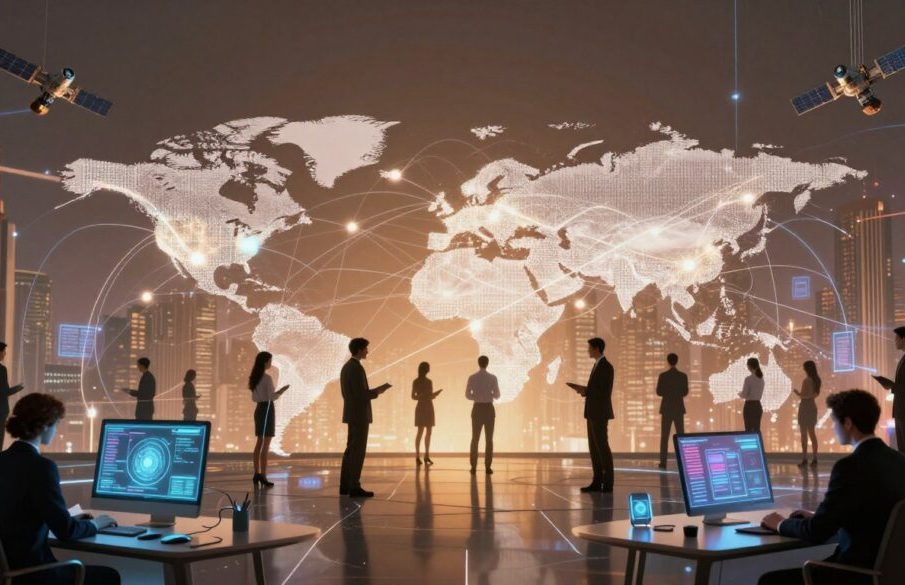
Introduction to Globalization in Modern Management
Globalization has transformed the way organizations operate, compete, and grow across international boundaries. It has created opportunities for businesses to access new markets, technologies, resources, and talent pools while also introducing challenges related to cultural diversity, competition, and regulatory complexity.
Modern management practices are no longer limited to local environments. Managers today must adopt global perspectives, flexible strategies, and innovative approaches to remain competitive in an interconnected business world.
Meaning of Globalization in Management Context
Globalization refers to the integration of economies, cultures, technologies, and business operations across national borders. In management, it involves coordinating activities across different countries while adapting to diverse business environments.
Organizations operating globally must align strategies with international standards while maintaining sensitivity to regional differences.
Importance of Globalization in Modern Management Practices
Globalization plays a vital role in shaping management strategies and organizational structures worldwide.
Major contributions include
- Expanding access to international markets
- Increasing opportunities for business growth
- Enhancing knowledge sharing across borders
- Encouraging innovation and technological advancement
- Improving organizational competitiveness
These benefits help organizations strengthen their global presence and operational efficiency.
Influence of Globalization on Organizational Structure
Globalization has encouraged organizations to shift from rigid hierarchical structures to more flexible and decentralized systems.
Key structural changes include
- Adoption of multinational organizational frameworks
- Creation of regional management divisions
- Development of cross functional teams
- Increased collaboration across international branches
Such structural adjustments improve coordination and decision making across global operations.
Impact on Strategic Management Practices
Strategic management has evolved significantly due to globalization. Managers must now consider global competition, international regulations, and cross cultural differences while developing strategies.
Important strategic changes include
- Expansion into emerging international markets
- Formation of global partnerships and alliances
- Adoption of competitive pricing strategies
- Integration of global marketing approaches
These practices help organizations sustain growth in competitive environments.
Role of Technology in Global Management Transformation
Technology has accelerated globalization by enabling communication, coordination, and collaboration across geographic boundaries.
Technological contributions include
- Use of digital communication platforms
- Adoption of global information management systems
- Implementation of remote workforce management tools
- Integration of international supply chain systems
Technology enables managers to monitor operations and make decisions efficiently across multiple locations.
Impact on Human Resource Management Practices
Human resource management has undergone major transformation due to globalization. Managers must now supervise culturally diverse teams and implement inclusive workplace policies.
Key HR related changes include
- Recruitment of international talent
- Cross cultural training programs
- Global leadership development initiatives
- Performance management across multiple regions
These practices enhance workforce productivity and cooperation.
Cultural Diversity and Managerial Adaptation
Globalization has increased workforce diversity, requiring managers to develop cultural awareness and sensitivity.
Managers must focus on
- Understanding cultural values and communication styles
- Promoting inclusive workplace environments
- Resolving cross cultural conflicts effectively
- Encouraging teamwork among diverse employees
Cultural intelligence has become an essential managerial skill in global organizations.
Impact on Decision Making Processes
Decision making in global organizations requires managers to consider multiple economic, legal, and cultural factors.
Modern decision making involves
- Evaluating international market conditions
- Understanding regional consumer preferences
- Considering global economic trends
- Managing risks associated with foreign operations
This broader perspective improves the effectiveness of managerial decisions.
Influence on Leadership Styles
Globalization has encouraged the adoption of flexible leadership approaches suited to diverse teams and dynamic environments.
Modern leadership practices include
- Participative leadership approaches
- Transformational leadership strategies
- Cross cultural communication skills
- Collaborative decision making methods
These leadership styles improve employee engagement and organizational performance.
Challenges of Globalization for Modern Managers
Despite its advantages, globalization also creates several managerial challenges.
Common challenges include
- Managing cultural differences in international teams
- Handling complex legal and regulatory systems
- Facing intense global competition
- Coordinating operations across different time zones
- Managing global supply chain disruptions
Managers must develop adaptive strategies to overcome these challenges effectively.
Opportunities Created by Globalization for Organizations
Globalization provides organizations with multiple opportunities for expansion and innovation.
Major opportunities include
- Access to global customer markets
- Availability of skilled international workforce
- Increased investment opportunities
- Adoption of advanced technologies
- Strengthening international brand presence
Organizations that respond strategically to these opportunities achieve long term success.
Role of Globalization in Innovation and Knowledge Sharing
Globalization encourages the exchange of ideas, skills, and technologies across countries. Organizations benefit from collaborative research, shared expertise, and international partnerships.
This exchange promotes
- Faster innovation processes
- Improved product development strategies
- Adoption of global best management practices
- Continuous organizational learning
Such improvements enhance competitiveness in rapidly changing markets.
Conclusion
Globalization has significantly reshaped modern management practices worldwide by influencing organizational structures, leadership styles, strategic planning, and workforce management. Managers today must adopt global perspectives, technological adaptability, and cultural awareness to remain effective in international business environments. Organizations that successfully integrate globalization into their management systems are better positioned to achieve sustainable growth and long term competitiveness.
Frequently Asked Questions
How does globalization affect small businesses differently from large corporations
Small businesses gain access to international markets but may face resource limitations, while large corporations benefit from stronger infrastructure and global networks.
Why is cultural intelligence important for global managers
Cultural intelligence helps managers communicate effectively, avoid misunderstandings, and build strong relationships with international teams.
How does globalization influence organizational communication systems
Globalization encourages the use of digital communication platforms that enable faster coordination across geographically dispersed teams.
What skills are required for managers working in global environments
Managers need strategic thinking abilities, cross cultural communication skills, adaptability, technological awareness, and leadership competence.
How does globalization improve innovation in organizations
Global collaboration allows organizations to exchange ideas, adopt new technologies, and implement advanced production and management techniques.
What role do international partnerships play in globalization
International partnerships help organizations expand markets, share resources, reduce risks, and improve operational efficiency.
How does globalization influence employee training programs
Organizations introduce cross cultural training, international leadership development programs, and global skill enhancement initiatives to prepare employees for international roles.