Evolution of Industry from Traditional to Modern Systems
Introduction
The evolution of industry from traditional systems to modern production structures represents one of the most significant transformations in human economic history. Over time, industrial activity has shifted from manual craftsmanship and small scale production to automated, technology driven, and globally connected manufacturing environments. This transformation has increased productivity, improved living standards, and strengthened national economies.
Understanding how industry developed across different stages helps explain the structure of modern economic systems and the direction of future industrial growth.
Meaning of Traditional Industrial Systems
Traditional industrial systems were based on manual labor, local resources, and simple tools. Production typically occurred in homes or small workshops and relied heavily on skilled artisans.
Key characteristics of traditional industries included
- Use of hand operated tools
- Dependence on local raw materials
- Limited production capacity
- Strong reliance on human skill
- Small scale operations serving nearby markets
Examples of traditional industries include weaving, pottery, carpentry, metal crafts, and handloom production.
Early Transformation during the Industrial Revolution
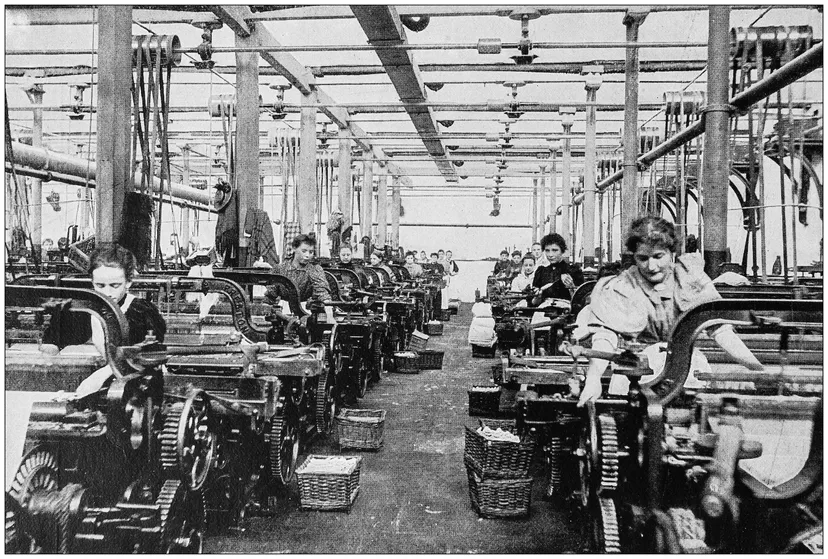
The Industrial Revolution marked the turning point in industrial development. It introduced machines powered by steam engines, which replaced manual labor in many production activities.
Important changes during this period included
- Introduction of mechanized production
- Growth of factory based manufacturing
- Expansion of transportation systems
- Increased output and efficiency
- Emergence of wage based labor systems
This shift laid the foundation for large scale industrial economies.
Growth of Factory Based Production Systems
Factory based production became the dominant industrial model during the nineteenth and early twentieth centuries. Industries began concentrating labor, machinery, and capital in centralized locations to increase efficiency and productivity.
Major developments during this stage included
- Standardized manufacturing techniques
- Mass production of consumer goods
- Development of industrial cities
- Expansion of railway and shipping networks
- Improved coordination between suppliers and manufacturers
This stage helped industries meet growing domestic and international demand.
Rise of Mass Production and Assembly Line Methods
The introduction of assembly line methods significantly increased production speed and reduced manufacturing costs. Products could be produced in large quantities while maintaining consistent quality.
Key benefits of assembly line production included
- Faster manufacturing processes
- Reduced production costs
- Increased product availability
- Higher worker specialization
- Expansion of global trade opportunities
Mass production made industrial goods more affordable for wider populations.
Transition toward Technology Driven Industrial Systems
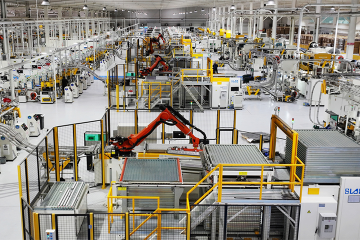
Modern industries rely heavily on advanced machinery, automation systems, and digital technologies. These systems have transformed traditional production processes into highly efficient and flexible operations.
Important features of technology driven industries include
- Use of automated machinery
- Integration of computer controlled systems
- Improved quality control techniques
- Increased production speed
- Reduction in manual labor requirements
Technology has become a central factor in shaping industrial competitiveness.
Emergence of Smart Manufacturing and Digital Industry
Modern industrial systems increasingly depend on digital technologies such as artificial intelligence, robotics, and data analytics. These innovations support smarter decision making and efficient resource management.
Smart manufacturing systems involve
- Real time monitoring of production processes
- Use of industrial robotics
- Data based quality control methods
- Integration of supply chain networks
- Adoption of environmentally efficient technologies
Digital transformation continues to reshape global industrial structures.
Role of Industrial Evolution in Economic Development
The transformation from traditional to modern industrial systems has played a major role in strengthening national economies. It has increased employment opportunities, improved infrastructure, and encouraged innovation across sectors.
Industrial evolution contributes to economic growth through
- Expansion of manufacturing output
- Development of transport and communication systems
- Growth of export oriented industries
- Strengthening of research and innovation capacity
- Improvement in workforce productivity
These improvements support long term economic stability and competitiveness.
Impact of Industrial Evolution on Society
Industrial transformation has influenced social structures as well as economic systems. It has changed patterns of employment, education, and urban development.
Major social impacts include
- Growth of urban centers near industrial regions
- Increased demand for technical education
- Expansion of middle income employment opportunities
- Improvement in living standards
- Greater access to manufactured goods and services
Industrial progress continues to shape modern lifestyles.
Challenges during Industrial Transformation
Despite its benefits, the transition from traditional to modern industrial systems has created several challenges that require careful management.
Common challenges include
- Displacement of traditional workers
- Environmental pollution risks
- Requirement for advanced technical skills
- Unequal industrial development across regions
- High investment costs in technology adoption
Addressing these challenges ensures balanced and sustainable industrial progress.
Future Trends in Industrial Development
Industrial systems are continuing to evolve through innovation and global collaboration. Future industries are expected to focus on sustainability, automation, and digital integration.
Emerging trends include
- Expansion of artificial intelligence in production systems
- Growth of environmentally responsible manufacturing
- Increased adoption of renewable energy technologies
- Development of intelligent supply chain networks
- Strengthening of knowledge based industries
These trends indicate a shift toward more efficient and sustainable industrial structures.
Conclusion
The evolution of industry from traditional craftsmanship to modern automated systems represents a major milestone in economic and technological progress. Each stage of industrial development has contributed to improvements in productivity, infrastructure, employment, and living standards. As industries continue to adopt advanced technologies, they will remain central to shaping future economic growth and social development.
Frequently Asked Questions
1 What are traditional industrial systems
Traditional industrial systems involve small scale production using manual tools, local materials, and skilled craftsmanship.
2 What triggered the shift from traditional to modern industries
The introduction of mechanized production during the Industrial Revolution played a major role in transforming traditional industries into factory based systems.
3 How did assembly line production change manufacturing
Assembly line production increased manufacturing speed, reduced costs, and allowed industries to produce goods in large quantities.
4 What technologies define modern industrial systems
Modern industrial systems use automation, robotics, digital monitoring systems, and computer controlled machinery.
5 How has industrial evolution affected employment patterns
Industrial evolution created new technical and managerial jobs while reducing reliance on manual labor in many sectors.
6 Why is smart manufacturing important for future industries
Smart manufacturing improves efficiency, reduces waste, enhances quality control, and supports better decision making through data analysis.
7 What challenges arise during industrial modernization
Challenges include skill gaps, environmental concerns, high investment requirements, and unequal regional industrial development.