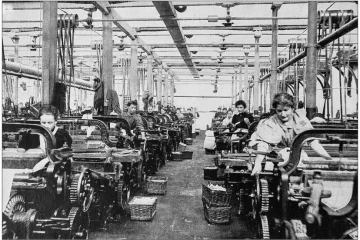
Role of Industry in Economic Development and Growth
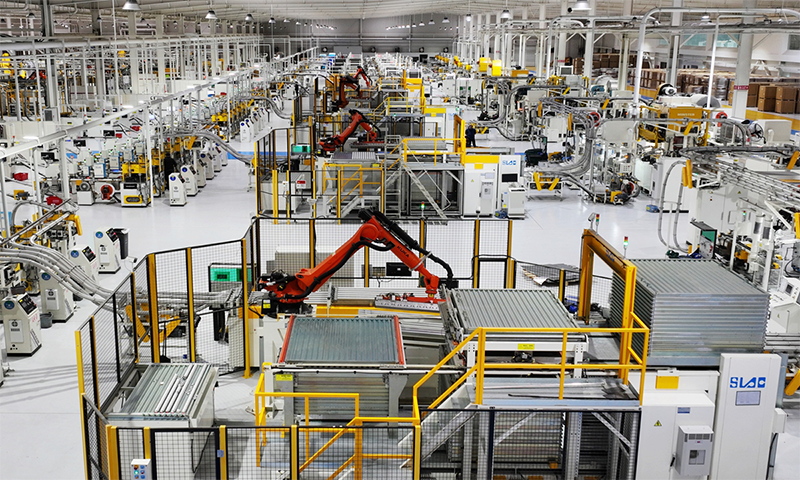
Introduction
Industry plays a central role in shaping the economic strength and long term stability of any nation. It transforms raw materials into finished goods, creates employment opportunities, encourages innovation, and strengthens trade capacity. Countries that develop strong industrial sectors often experience faster economic growth, improved infrastructure, and higher living standards.
Industrial development is widely considered one of the most reliable indicators of national progress because it supports multiple sectors of the economy simultaneously.
Understanding the Concept of Industry in Economic Development
Industry refers to organized economic activity involved in the production of goods, processing of materials, and delivery of services using labor, capital, and technology. It connects natural resources with consumer needs through systematic production processes.
Economic development, on the other hand, involves improvement in income levels, employment rates, infrastructure, education, and quality of life. Industry acts as a driving force behind these improvements by expanding productive capacity and encouraging technological progress.
Industrialization as a Foundation for Economic Growth
Industrialization helps nations move from traditional agriculture based economies toward diversified and technology oriented systems. This transformation increases productivity and creates new income sources.
Major contributions of industrialization include
- Expansion of manufacturing capacity
- Development of modern infrastructure
- Creation of employment opportunities
- Increase in national income levels
- Strengthening of export potential
Countries that prioritize industrial expansion often experience rapid improvements in productivity and competitiveness.
Contribution of Industry to Employment Generation
One of the most significant contributions of industry is job creation. Industrial sectors provide both skilled and unskilled employment opportunities across different regions.
Employment opportunities are created through
- Manufacturing industries
- Construction activities
- Transport and logistics services
- Energy production sectors
- Support services connected to industrial operations
Increased employment improves purchasing power, which further stimulates demand in the economy.
Role of Industry in Infrastructure Development
Industrial growth encourages the development of transport networks, communication systems, energy supply, and urban facilities. These infrastructure improvements support both industrial production and public welfare.
Examples of infrastructure supported by industrial expansion include
- Roads and highways
- Railways and ports
- Power generation facilities
- Communication networks
- Industrial corridors and smart cities
Improved infrastructure strengthens economic efficiency and attracts investment.
Industry and Technological Advancement
Industrial sectors promote innovation by encouraging research, automation, and adoption of advanced production techniques. Technological progress improves product quality and increases production speed.
Technological advancement contributes to economic development through
- Higher productivity levels
- Efficient resource utilization
- Improved product standards
- Growth of digital manufacturing systems
- Expansion of knowledge based industries
Technology driven industries also support global competitiveness.
Role of Industry in Increasing National Income
Industrial production directly contributes to national income by increasing the value of goods and services produced within a country. It strengthens gross domestic product and improves government revenue through taxes and exports.
Industrial expansion also increases foreign exchange earnings by supporting export oriented production sectors such as textiles, machinery, electronics, and automobiles.
Support to Agricultural Sector through Industrial Growth
Industry and agriculture are closely connected. Industrial development supports agriculture by providing machinery, fertilizers, irrigation equipment, and storage solutions.
Industrial support to agriculture includes
- Production of agricultural tools
- Supply of fertilizers and pesticides
- Development of irrigation equipment
- Processing and preservation facilities
- Packaging and transportation services
This relationship improves rural productivity and strengthens food security.
Industrial Growth and Urbanization
Industrial development encourages the growth of towns and cities by creating employment centers near production zones. Urbanization supports economic expansion by improving access to education, healthcare, and business opportunities.
Well planned industrial urbanization contributes to
- Better housing facilities
- Expansion of educational institutions
- Growth of healthcare services
- Development of commercial centers
- Improvement of transport systems
Urban growth further supports industrial productivity through availability of skilled labor.
Types of Industries Supporting Economic Development
Different categories of industries contribute uniquely to national progress
Primary industries
These industries extract natural resources such as minerals, forests, and agricultural products. They provide raw materials for other sectors.
Secondary industries
These industries convert raw materials into finished goods such as machinery, textiles, vehicles, and consumer products.
Tertiary industries
These industries provide services including banking, transport, education, healthcare, and communication.
Quaternary industries
These industries focus on knowledge based services such as research, information technology, and innovation driven activities.
Together these sectors create a balanced and sustainable economic structure.
Role of Industry in Promoting International Trade
Industrial production increases export capacity by supplying goods demanded in global markets. Export oriented industries strengthen foreign exchange reserves and improve international trade relations.
Countries with strong industrial bases often gain competitive advantages in global markets through quality production and efficient supply systems.
Challenges Affecting Industrial Contribution to Economic Growth
Despite its importance, industrial development faces several challenges
- Shortage of skilled workforce
- Limited access to advanced technology
- Environmental concerns
- Inadequate infrastructure in developing regions
- Fluctuations in global markets
Addressing these challenges helps industries perform more effectively and sustainably.
Conclusion
Industry remains one of the most powerful engines of economic development and growth. It supports employment creation, infrastructure expansion, technological progress, agricultural productivity, and international trade. Nations that invest in industrial development strengthen their economic foundations and improve living standards for their populations over time.
Frequently Asked Questions
1 What is the main role of industry in economic development
Industry increases production capacity, generates employment opportunities, improves infrastructure, and strengthens national income levels.
2 How does industrial growth improve living standards
Industrial growth increases job availability, raises income levels, improves infrastructure, and enhances access to services such as education and healthcare.
3 Why is industrialization important for developing countries
Industrialization helps developing countries reduce dependence on agriculture, diversify their economies, and strengthen export potential.
4 How do industries contribute to foreign exchange earnings
Industries produce export quality goods such as machinery, textiles, and manufactured products that generate foreign exchange through international trade.
5 What is the relationship between industry and technology
Industry encourages innovation and technological adoption which improves productivity and enhances product quality.
6 How does industrial development support rural areas
Industries support rural regions by providing agricultural equipment, processing facilities, employment opportunities, and transportation services.
7 What factors influence successful industrial growth
Successful industrial growth depends on infrastructure availability, skilled workforce development, government policies, investment support, and access to technology.